

Hemostatic Forceps
Designed for Either HandPatented Locking System
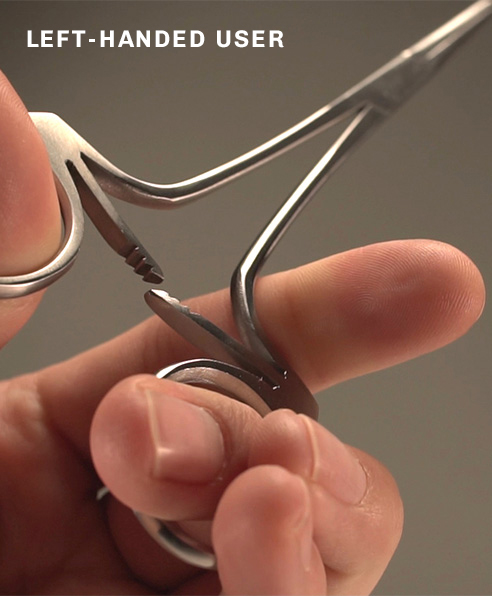
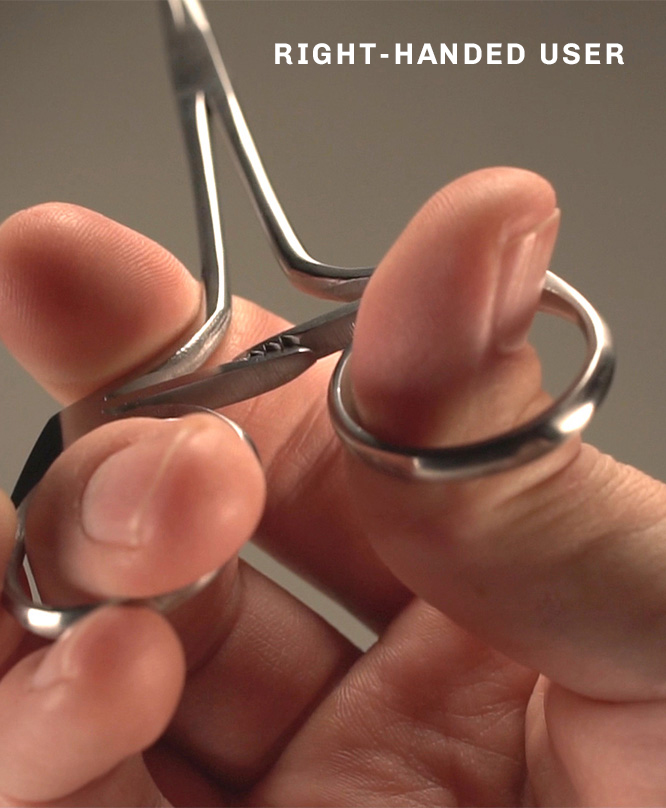
Easily Used By Either Hand
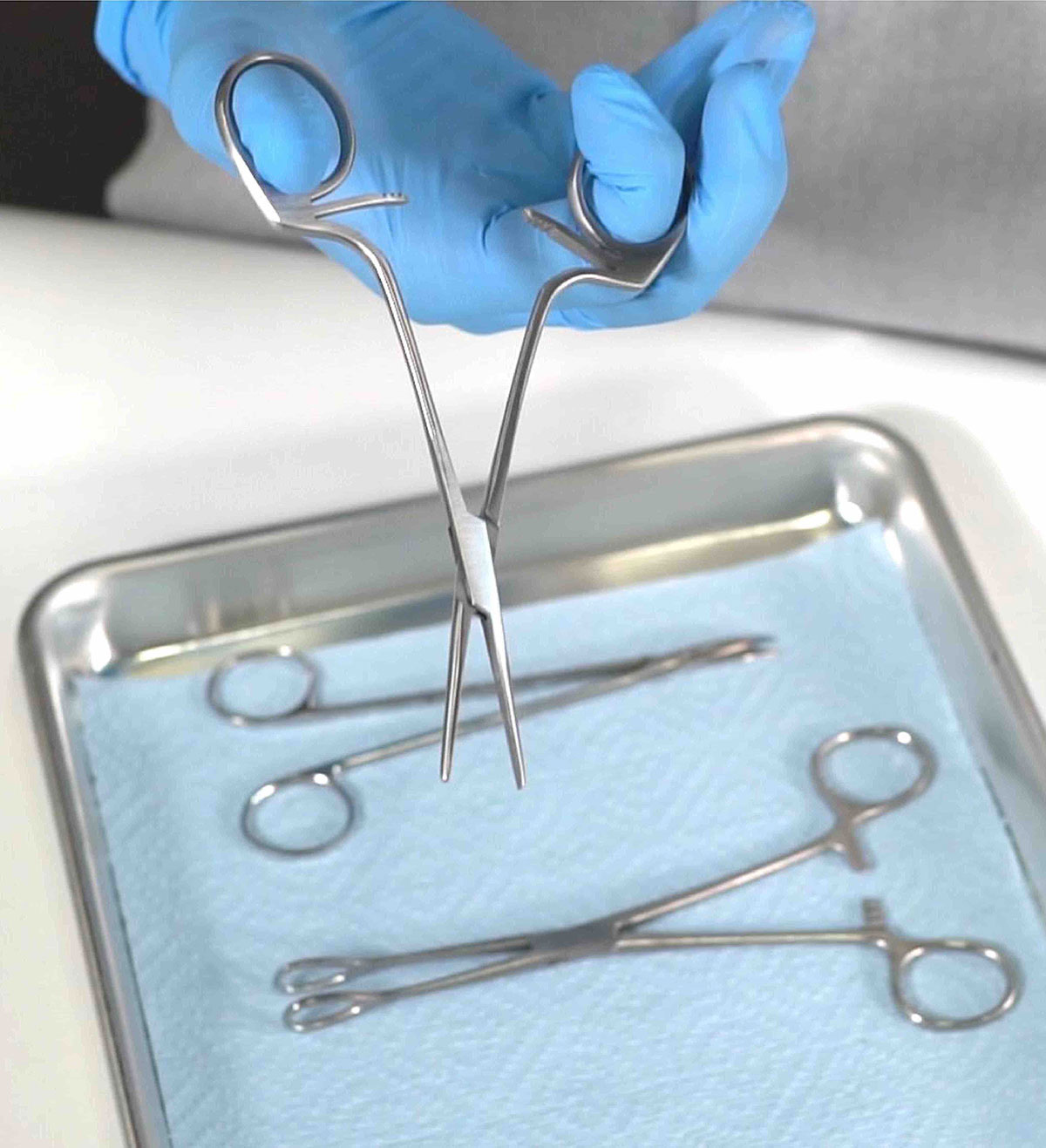
For the first time in 100 years, the traditional hemostatic forceps have been redesigned to accommodate both LEFT and right-handed individuals, ensuring the hemostatic clamp can be locked and released with incredible ease. The locking teeth are designed to disengage in two opposing directions, allowing our hemostats to easily be released by simply pulling with the fingers and pushing with the thumb.
There is no other tool on the market today that can compare to our patented locking system, craftsmanship, durability and precision.
or call (307) 413 – 1400
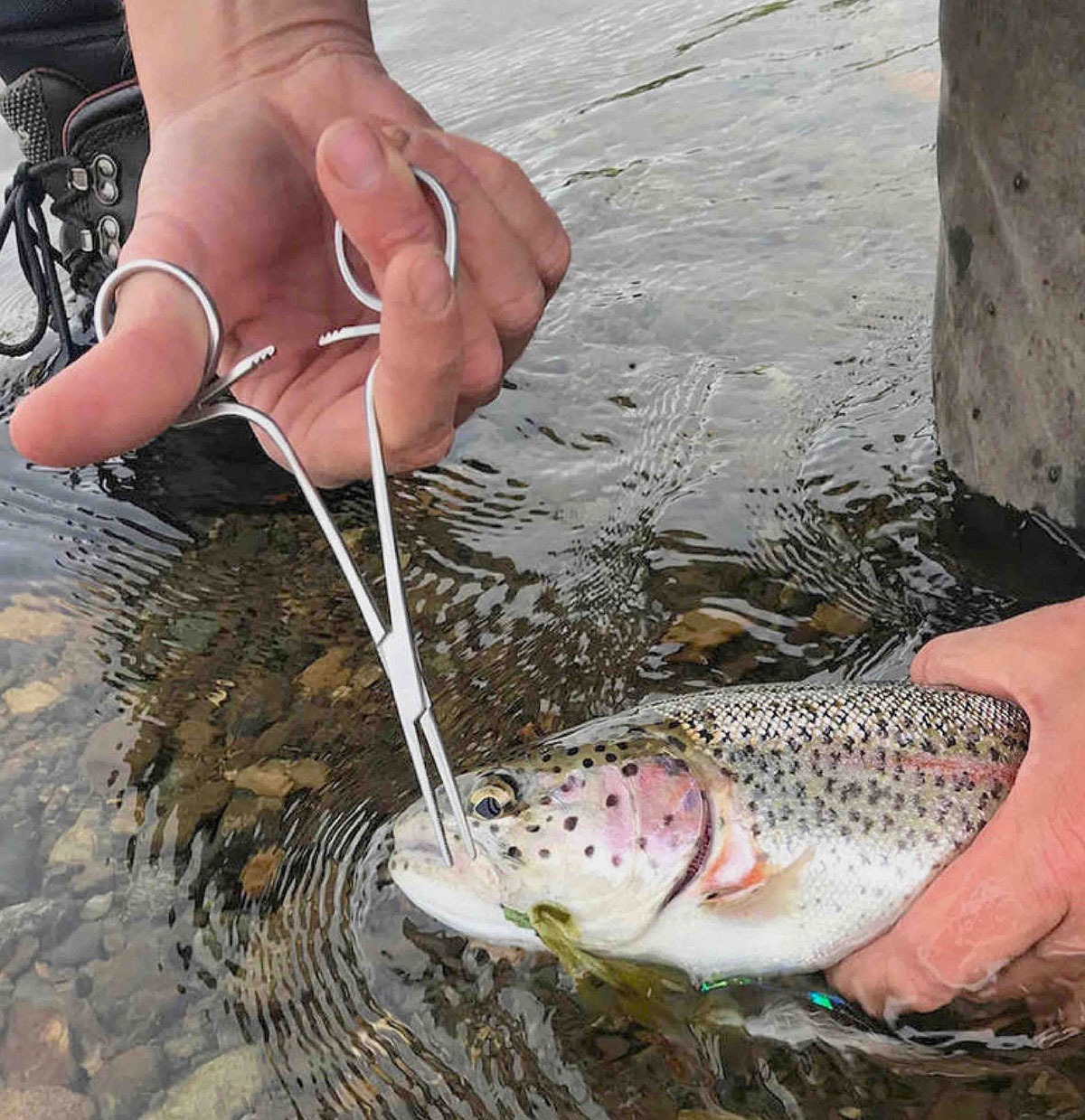
FISHERMEN
FISHERMEN
HOBBYISTS
HOBBYISTS
FDA Registered
MEDICAL PROFESSIONALS

Medical Grade Compliant
VETERINARIANS
FISHERMEN
FISHERMEN
HOBBYISTS
HOBBYISTS
Innovative Design
Innovative Design
Innovative Design
What Makes Us Different?

PATENTED LOCKING SYSTEM
The first redesign in more than 100 years, advancing the hemostatic forceps to a whole new level.

SURGICAL STAINLESS STEEL
Constructed with durability and lasting
performance in mind. Guaranteed not to rust, break or bend under normal pressure.

TETON TOOL WORKS LOCKING SYSTEM
Both left and right-handed users can
release the locking mechanism with
remarkable ease.

FDA REGISTERED
Our medical partner, Ambidex Instruments, line of hemostatic forceps are FDA registered, ensuring they are well-suited for surgical use.
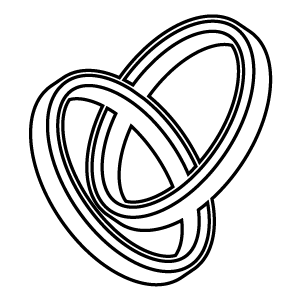
ERGONOMIC FINGER LOOPS
Designed to accommodate every user to
help alleviate any discomfort or possible
injury due to repeated use.

SATISFACTION GUARANTEE
All orders are backed by our no questions asked risk-free 30-day money-back Satisfaction Guarantee.
— 100% Customer Satisfaction
Hear from our
happy
customers.
Teton Tool Works Changed the Way We Operate
“The versatility of a precision locking mechanism that works in either hand has changed the way we operate.”
Robert Kelly
Teton Tool Works Hemostats are Amazing!
“Great quality product and comfortable grip with both hands. Made a big difference on my Fly fishing trips.”
George Dykes